Introduction:
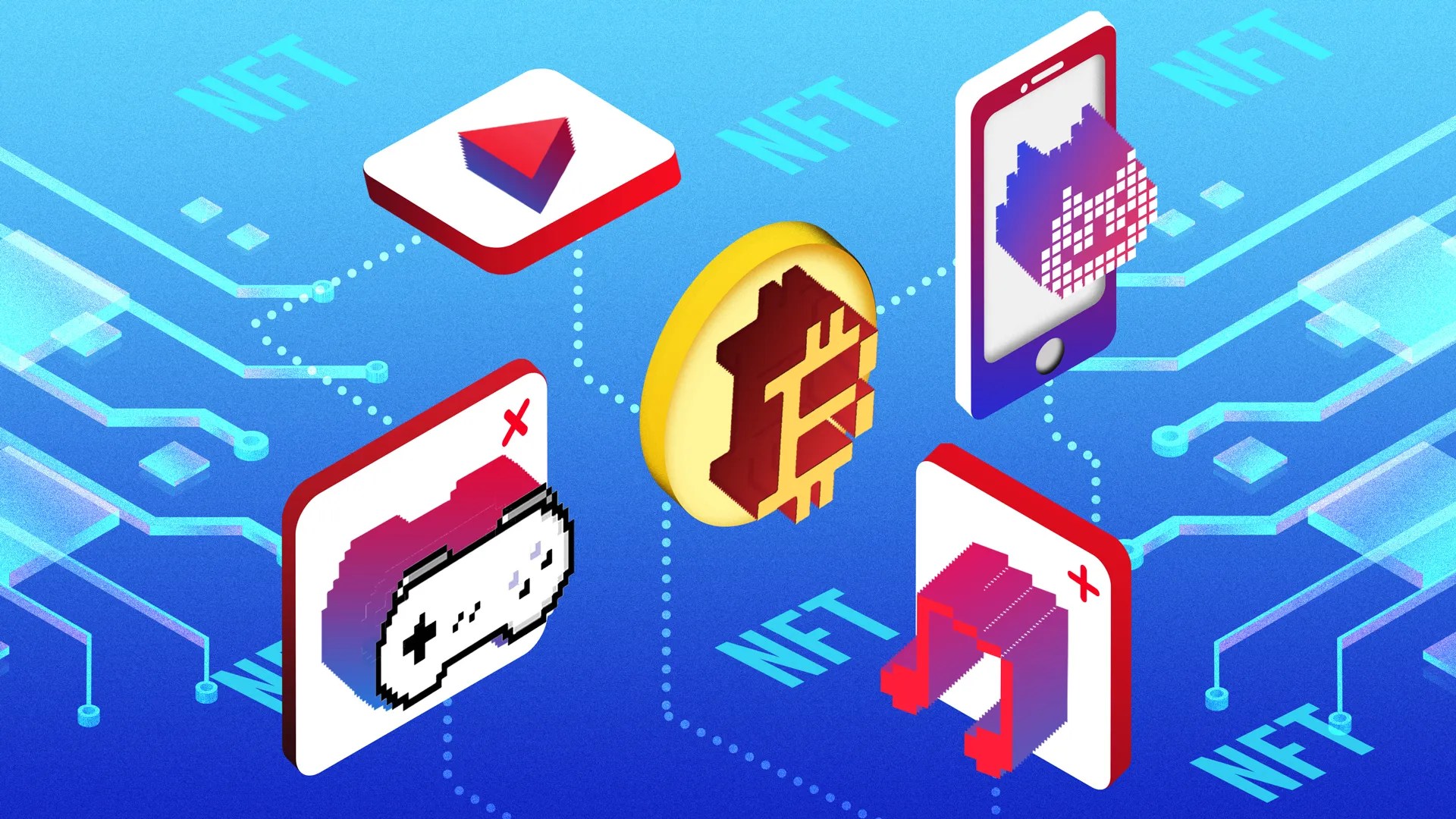
In recent years, the nascent world of cryptocurrencies has seen a surge in popularity due to the remarkable rise of Bitcoin and Ethereum. However, beyond these traditional digital currencies lies another revolutionary concept reshaping the digital landscape: non-fungible tokens (NFTs). NFTs have gained substantial attention for their potential to revolutionize the worlds of art, gaming, collectibles, and more. In this blog post, we delve into the future of NFTs and explore the limitless possibilities they offer.
- Understanding NFTs and Their Unique Features:
Before diving into the future of NFTs, let’s outline what these unique digital assets actually are. Non-fungible tokens are cryptographic assets that can represent ownership or proof of authenticity of a unique item or piece of digital content. Unlike cryptocurrencies, such as Bitcoin, NFTs are indivisible and cannot be exchanged with other tokens on an equal basis.
The uniqueness of NFTs arises from their ability to be programmed with smart contracts, which allow creators to embed specific rules and conditions. These smart contracts bring immense potential for artists, developers, and content creators, as they can now monetize their work and retain control over their creations.
- Disrupting the Art World:
One of the most significant impacts of NFTs lies in their potential to revolutionize the world of art. Traditional art ownership has long been exclusive, and artists have struggled to receive fair compensation for their creations. NFTs are now providing artists with a new way to sell their digital art directly to collectors, bypassing galleries and middlemen.
The future of NFTs in art looks incredibly promising. As more artists embrace this technology, it will unlock new revenue streams and grant artists greater control over their intellectual property rights. Furthermore, NFTs provide a transparent and immutable record of provenance, eliminating the risk of counterfeit art.
- Bridging the Gap Between Gaming and Blockchain:
The gaming industry is another domain set for massive disruption through NFT integration. Currently, in-game assets lack real-world value and are confined to their respective gaming ecosystems. However, NFTs can bridge this gap by enabling players to own and trade in-game items as real-world assets.
In the future, NFTs will enhance gaming experiences by allowing players to truly own their virtual assets. This ownership, coupled with the interoperability of blockchain, will enable cross-platform trading, creating vibrant secondary markets. Additionally, NFTs will incentivize game developers to create rare, unique, and valuable assets, further driving engagement and innovation.
- Expanding Collectibles and Intellectual Property Ownership:
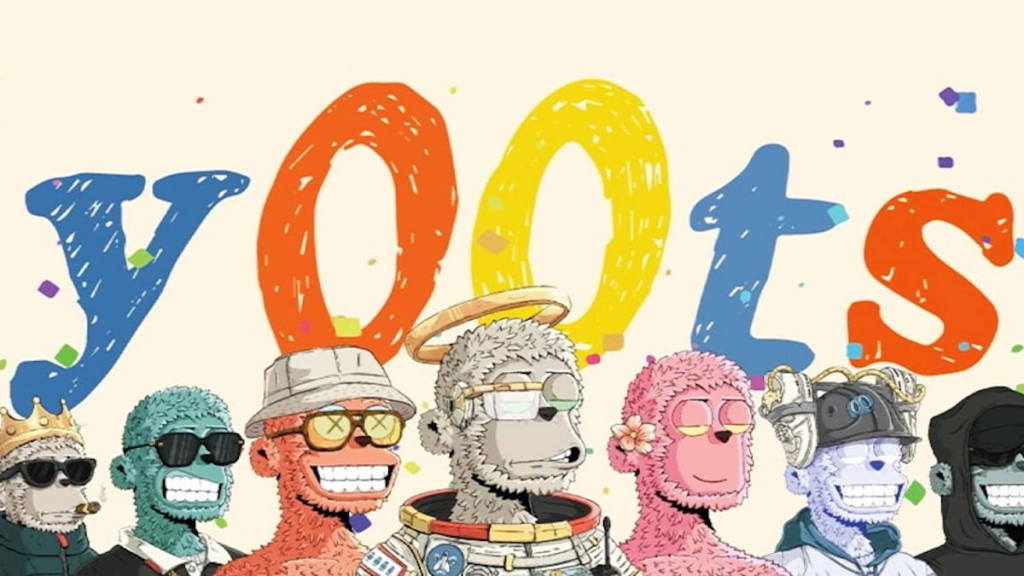
Collectibles have always held a special place in our hearts, and NFTs are poised to innovate this space as well. NFTs have enabled the creation and trading of unique digital collectibles, like virtual trading cards, digital sneakers, or even virtual real estate.
Moreover, NFTs can extend to intellectual property ownership, granting creators the ability to tokenize their ideas, inventions, or patents. This provides an avenue for inventors, artists, and developers to monetize their intellectual property directly, cutting out intermediaries and empowering creators.
- Beyond Art and Collectibles: Real-World Applications:
While the art and gaming industries have made significant strides with NFT adoption, the potential applications extend far beyond these sectors. NFTs can revolutionize real-world assets, including real estate, music royalties, ticketing systems, and even identity verification.
Tokenizing real estate will make ownership, transfer, and investment more accessible and transparent. Implementing NFTs in the music industry can ensure artists receive fair royalties and establish direct connections with their fan base. Furthermore, NFT-based ticketing will combat scalping and fraudulent ticket sales.
Conclusion:
Non-fungible tokens are disrupting traditional systems and unlocking unprecedented possibilities across multiple industries. As we gaze into the future, the potential of NFTs seems boundless. Whether it’s the democratization of art, the convergence of gaming and blockchain, expanding the world of collectibles, or transforming real-world applications, NFTs continue to pave the way for a new digital era.
As the adoption and education around NFTs continue to grow, we eagerly anticipate the innovative use cases and creative applications that will emerge from this dynamic technology. The future of NFTs is bright, and it holds immense promise for creators, investors, and enthusiasts alike.