
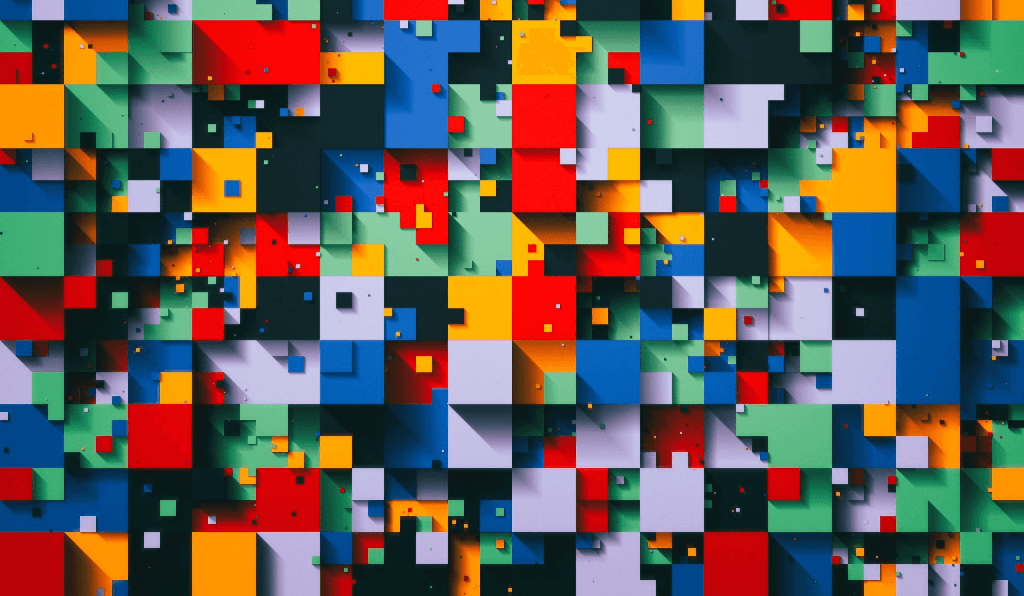
Generative art, which has been around since the creation of the internet, has never been widely mainstream or popular until recent years, where this art world has witnessed a revolutionary transformation powered by blockchain technology. This unique form of artistic creation has captivated audiences and artists alike, pushing the boundaries of creativity and decentralization. With blockchain technology enabling widespread participation and ownership, generative art has become a thriving movement and is taking the art world and PFP aficionados by storm.
Generative art, often referred to as algorithmic art, is a creative process that utilizes algorithms, rules, and mathematical equations to generate artwork. Unlike traditional art forms where each piece is individually crafted, generative art relies on computer algorithms to produce a seemingly infinite number of unique creations. This process enables artists to explore new dimensions of creativity and uniqueness, pushing the boundaries of traditional art forms.
With the emergence of blockchain technology, generative art has found a perfect platform for its growth and evolution. Blockchain has introduced a new paradigm of trust, ownership, and provenance. Artists can now mint their generative art as NFTs, ensuring provable ownership and establishing value in the digital realm.
One of the key attractions of generative art lies in its infinite possibilities. By utilizing algorithms, artists can create works that are never replicated, offering a level of uniqueness and exclusivity that is unparalleled. Each generative piece is the result of a complex algorithmic process, creating an experience that evolves and adapts with time.
The rising popularity of generative art has given birth to vibrant online communities and marketplaces. Artists and collectors are congregating on platforms specifically designed for generative art, allowing for the discovery, appreciation, and purchase of these unique digital creations. Platforms like Art Blocks, known for its colorful abstractions, have created a robust ecosystem that fosters creativity and engagement within the generative art community. Furthermore, the combination of generative art and blockchain technology has opened up opportunities for collaborations and partnerships. Artists can work together to create generative art pieces, blending their unique styles and algorithms to produce collaborative creations. These collaborations transcend geographical barriers, enabling artists from different parts of the world to contribute to a single artwork.
Generative art has risen to prominence thanks to the technological advancements brought about by blockchain. This revolutionary marriage of creativity and decentralization has fostered a vibrant and inclusive artistic community. Artists are empowered to explore new realms of creativity, collectors can secure ownership of unique digital creations, and the art world as a whole is undergoing an unprecedented transformation. With blockchain technology continuing to evolve, the future looks promising for the integration of generative art and the blockchain, bringing endless possibilities for artistic expression and interaction.


 NFT Prizes