
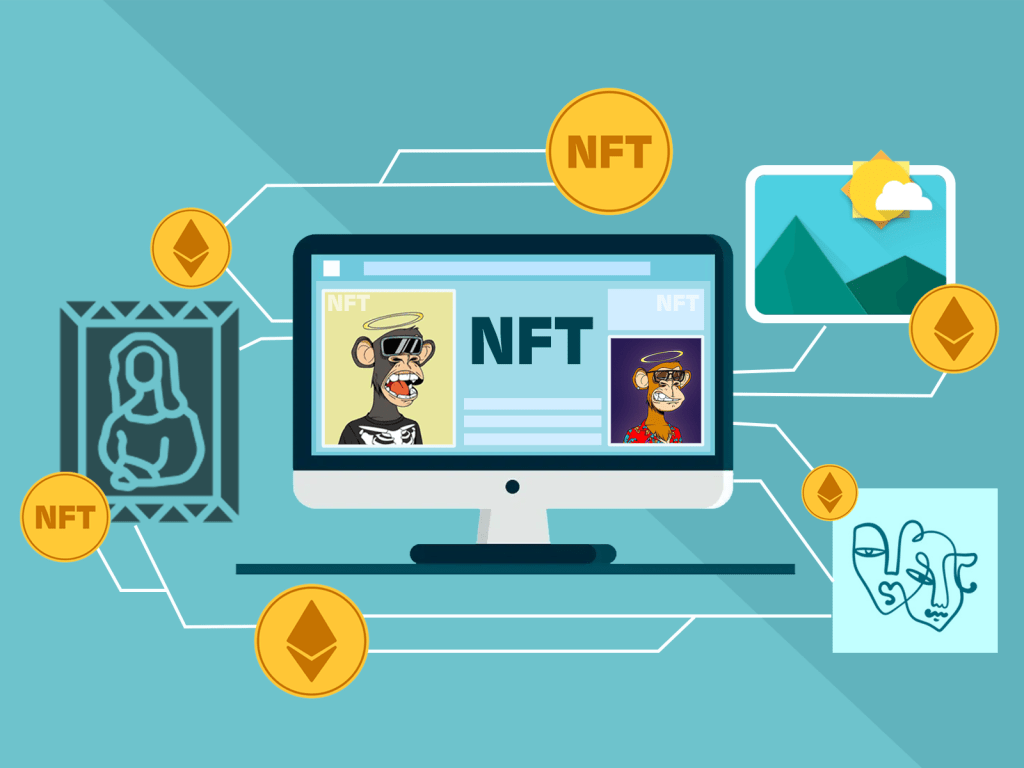
As NFTs gain momentum, various marketplaces have emerged, each offering different features, benefits, and user experiences. In this comprehensive comparison, we will delve into the top five NFT marketplaces: OpenSea, Magic Eden, Rarible, Binance NFT, and Coinbase NFT. By evaluating each marketplace, we aim to provide you with a deeper understanding of each platform’s capabilities and help you make informed decisions when engaging and offering your NFT collection.
OpenSea

OpenSea.io is the largest and most well-known NFT marketplace currently operating. With a user-friendly interface, it caters to both experienced collectors and newcomers to the NFT space. OpenSea offers an extensive range of NFTs, including art, collectibles, virtual land, and virtual pets. Some pros and cons to consider:
Pros:
1. Market Dominance: OpenSea.io boasts the largest user base and liquidity pool, providing a vast array of NFT options.
2. Flexibility: Users can create and sell their NFTs directly on the platform, ensuring greater control and customization.
3. Secondary Market Trading: OpenSea’s robust secondary market allows users to buy and sell NFTs after the initial sale.
Cons:
1. Gas Fees: The Ethereum network on which OpenSea operates often experiences high gas fees, making transactions expensive during peak times.
2. Limited Blockchain Compatibility: OpenSea primarily supports Ethereum-based NFTs, potentially limiting participation for users on other blockchains.
Magic Eden
Magic Eden differentiates itself by focusing on curated collections of high-quality NFTs. By curating the marketplace, Magic Eden aims to maintain a higher standard and quality control.
Pros:
1. Quality Curation: Magic Eden’s selective approach ensures that only the most exceptional NFT offerings are available, reducing the chances of encountering scams or low-quality works.
2. Unique Artist Interviews: Magic Eden provides artist interviews and showcases, allowing creators to share the stories and inspiration behind their works.
3. Competitive Bid System: The platform offers a bidding system that enables users to make competitive offers for specific NFTs.
Cons:
1. Limited Variety: Magic Eden’s curated approach may limit the overall selection of NFTs available.
2. Higher Barrier to Entry: Due to the quality-focused curation process, it may be more challenging for newer or lesser-known artists to gain acceptance.
Rarible
Rarible aims to empower artists by providing tools for minting and selling their NFTs. This peer-to-peer marketplace offers an intriguing combination of creator empowerment and community-driven initiatives.
Pros:
1. Creator-Friendly: Rarible allows artists to seamlessly mint and sell their NFTs without requiring extensive technical knowledge.
2. Governance Tokens: Rarible’s native governance token (RARI) incentivizes community participation and decision-making.
3. Royalty Structure: Creators can earn royalties on secondary market sales, ensuring ongoing revenue from their creations.
Cons:
1. Overwhelming User Interface: Some users may find Rarible’s interface complex and overwhelming, especially if they are new to NFTs.
2. Scalability Challenges: As Rarible grows in popularity, the platform may face scalability issues, leading to potential transaction delays or increased fees.
Binance NFT
As part of the world’s leading cryptocurrency exchange, Binance NFT leverages its infrastructure to offer a seamless NFT trading experience. With deep liquidity and a significant user base, Binance NFT aims to attract both newcomers and established collectors.
Pros:
1. High Liquidity: Binance NFT benefits from its integration with Binance, ensuring a liquid marketplace with a wide selection of NFTs.
2. Low Fees: Binance’s competitive fee structure translates into a more cost-effective platform for buying and selling NFTs.
3. Multiple Blockchain Compatibility: Binance NFT supports various blockchains, including Ethereum and Binance Smart Chain, broadening accessibility for users.
Cons:
1. Limited Secondary Market: As a relatively new marketplace, the secondary market on Binance NFT might be less active compared to established platforms.
2. Centralization Concerns: Due to Binance NFT being part of a centralized exchange, there may be inherent risks related to transparency and trust.
Coinbase NFT

Coinbase NFT is the NFT marketplace integrated into the renowned Coinbase cryptocurrency exchange. This platform aims to capture mainstream attention by offering a familiar and trusted interface for NFT transactions. Coinbase NFT is currently only available in a free beta version with expected release by this year.
Pros:
1. User-Friendly: Coinbase NFT capitalizes on its user-friendly interface, making it accessible to newcomers to the NFT space.
2. Large User Base: Coinbase’s extensive user base adds liquidity and potential buyers for NFT creators.
3. Simplified Onboarding: Existing Coinbase users can seamlessly access the NFT marketplace with their accounts.
Cons:
1. Limited Selection: Relative to other marketplaces, Coinbase NFT still has a relatively small selection of NFTs available.
2. Scalability Concerns: As the marketplace grows, concerns about scalability and transaction speeds might arise.
Best Marketplace?
Ultimately, your choice of NFT marketplace should align with your specific needs, preferences, and goals. By considering the advantages and disadvantages outlined in this comparison, you can navigate the exciting world of NFTs with confidence and make informed decisions to participate in this groundbreaking digital asset space.




 NFT Prizes