
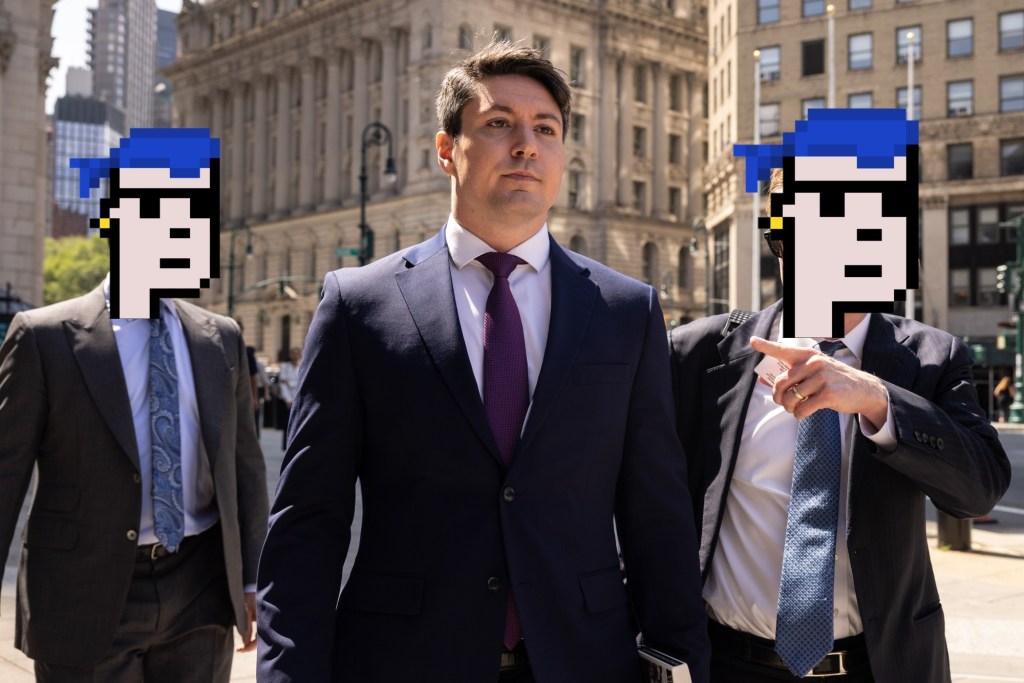
In the first-ever insider trading case involving digital assets, a former employee at the NFT marketplace OpenSea has been sentenced to three months in prison. Nathaniel Chastain, who previously served as head of product at OpenSea, used confidential information to profit from his position. He was convicted of wire fraud and money laundering in May and was sentenced by U.S. District Judge Jesse M. Furman in New York. Chastain must also forfeit 15.98 Ethereum tokens valued at approximately $26,000 and pay a $50,000 fine.
As head of product, Chastain had the authority to select which tokens would be highlighted on OpenSea’s home page, leading to price increases. Prosecutors alleged that he capitalized on this privileged information by purchasing NFTs before they gained attention and selling them for substantial profits, earning over $57,000 at the time. During the hearing, Chastain expressed his remorse for betraying the trust of his colleagues and the OpenSea community. This case serves as a potential warning to other corporate insiders engaging in fraud within new and nontraditional markets like cryptocurrencies and NFTs, as regulations are still being developed.
Unlike traditional insider trading cases that revolve around securities-fraud charges, Chastain was charged with wire fraud for misusing confidential business information. This unique approach received criticism from defense attorneys who argued that it could distort insider-trading law and allow fraud charges against individuals who use non-public information obtained from their employers for non-work purposes. Chastain also contested the wire fraud charges by claiming that NFTs are not securities or commodities. Although Judge Furman acknowledged that the law does not require the trading of securities or commodities to constitute fraud, he expressed difficulty in determining an appropriate sentence given the nature of the charges.
Prosecutors emphasized the need for robust sentencing in emerging markets to deter fraudulent conduct and maintain integrity. Manhattan US Attorney Damian Williams, who has prioritized prosecuting crypto fraud during his term, noted that Chastain’s sentencing should serve as a warning to other corporate insiders engaging in insider trading in any marketplace.
Chastain had faced a maximum sentence of 20 years on each count, but federal sentencing guidelines suggested a range of 21 to 27 months. Ultimately, the judge opted for a three-month prison term. Chastain’s defense had sought probation, highlighting that the media coverage surrounding the case had already conveyed the strong message of cracking down on fraud.




 NFT Prizes